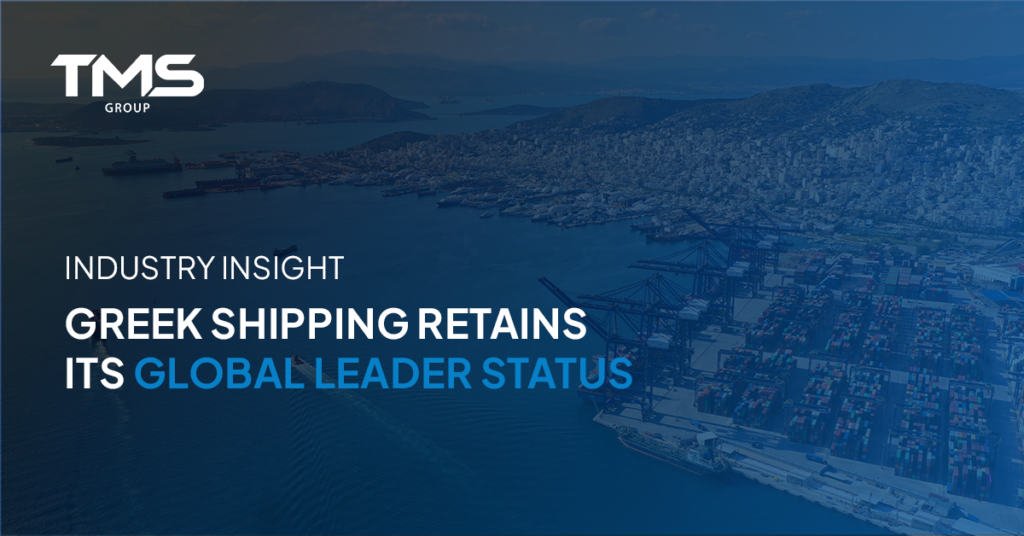
Global Shipping Outlook 2026: Navigating Geopolitical Risk and Market Opportunity
The global shipping industry in 2026 is no longer defined by traditional cycles. Geopolitical developments particularly in the Middle East, alongside evolving sanctions dynamics in markets such as Venezuela are now central to how risk is assessed, how freight is priced, and how strategic decisions are made across our industry.
The Strait of Hormuz remains a critical chokepoint for global energy flows, and recent developments highlight a highly fluid and unpredictable operating environment. While limited transit activity continues, ongoing security concerns and shifting routing patterns are reinforcing uncertainty across the region.
As a result, volatility is no longer temporary, it is embedded across the entire shipping value chain, influencing not only pricing but also long-term strategic positioning.
Dakis Mavroudis CEO of TMS Group, we recognize that volatility is no longer an exception in shipping, it is the environment we operate in. Those who adapt faster will lead the market.”
Risk is being structurally repriced across the market, with elevated insurance premiums, longer voyage distances, and geopolitical exposure directly affecting freight levels and asset utilization. These conditions are reshaping operational decisions and redefining cost structures across the industry.
In the near term, market conditions are expected to remain firm, supported by continued geopolitical uncertainty and persistent risk premiums across key shipping routes. Structural costs particularly related to insurance, compliance, and routing are likely to remain elevated, reinforcing a market that is volatile, but still commercially active and opportunity-driven.
At the same time, opportunity is emerging from this volatility, especially for companies that can respond with speed and flexibility. Fleet adaptability, access to alternative trade routes, and strong capabilities in compliance, insurance, and voyage optimization are becoming decisive competitive advantages. In this environment, value is created not by avoiding uncertainty, but by navigating it effectively.
The European Union is also shaping the long-term direction of the industry through its regulatory and sustainability agenda. The shift toward carbon pricing, stricter environmental standards, and cleaner energy solutions is already influencing investment decisions and redefining competitiveness across global shipping.
In this environment, TMS Group’s focus remains clear: to navigate volatility with discipline while continuing to create long-term value for our partners and clients. We are prioritizing fleet flexibility across different client requirements and vessel types, strengthening our risk management framework, and investing in operational efficiency and compliance capabilities in response to an increasingly complex market environment.
Shipping today requires more than operational excellence. It requires awareness, adaptability, and the ability to act with clarity in an increasingly complex and interconnected market.